
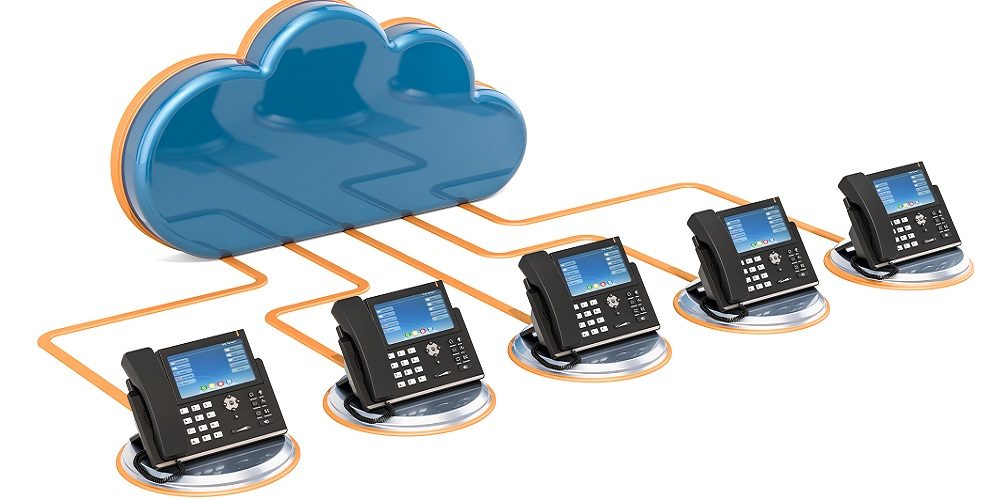
Time and effort estimation for implementing an Asterisk VoIP setup for 500 endpoints, assuming the base LAN/WAN networking is already in place. This estimation provides a general guideline and can vary significantly based on the complexity of your requirements, the experience of your team, and unexpected issues.
Assumptions:
- Dedicated project manager/lead and technical team members are available.
- Basic IT infrastructure (servers, network switches, cabling) is already in place.
- Standard softphone clients are used (e.g., Linphone, Zoiper, Bria Solo).
- Standard features like internal calls, external calls, voicemail, basic IVR, and call queues are required. Complex features (e.g., advanced CRM integration, sophisticated call routing, large contact center functionalities) are not included in this baseline.
- Training materials and user guides will be developed.
- One physical or virtual server for Asterisk (scalable as needed).
Time and Effort Estimation: Asterisk VoIP Setup (500 Endpoints)
Phase 1: Planning and Requirements Gathering
- Objective: Define the scope, requirements, design the solution, and create a detailed project plan.
- Tasks:
- Requirements Gathering:
- Identify key stakeholders (IT, department heads, end-users).
- Gather detailed requirements for call flow, IVR, voicemail, call queues, extensions, dial plan, security, reporting, integration needs (e.g., CRM, LDAP).
- Determine number and types of external lines (SIP trunks, PRI).
- Assess bandwidth requirements.
- Solution Design:
- Architect the Asterisk solution (server hardware/VM specifications, storage, redundancy).
- Design the dial plan, extension numbering scheme.
- Plan for network topology and QoS (Quality of Service) for VoIP traffic.
- Design IVR menus, call queues, and voicemail configurations.
- Security considerations (firewall rules, SIP security).
- Project Planning:
- Develop a detailed project plan with timelines, milestones, resource allocation.
- Define success criteria and KPIs.
- Risk assessment and mitigation plan.
- Hardware/software procurement plan.
- Requirements Gathering:
- Estimated Time: 2-3 Weeks (10-15 business days)
- Effort (Person-Days): 40-60 person-days (e.g., Project Manager, Network Architect, VoIP Specialist)
Phase 2: Server Installation
- Objective: Set up the physical or virtual server and install the core Asterisk software.
- Tasks:
- Hardware/VM Provisioning:
- Procure and set up server hardware or provision virtual machines.
- Install operating system (e.g., CentOS, Debian, Ubuntu Server).
- Basic OS hardening and network configuration.
- Asterisk Installation:
- Install Asterisk and its dependencies.
- Install necessary codecs.
- Install supporting applications (e.g., FreePBX for GUI management, if chosen).
- Hardware/VM Provisioning:
- Estimated Time: 1-2 Weeks (5-10 business days)
- Effort (Person-Days): 20-40 person-days (e.g., System Administrator, VoIP Specialist)
Phase 3: Server Configuration
- Objective: Configure Asterisk to meet the defined requirements.
- Tasks:
- Basic Asterisk Configuration:
- Configure SIP trunks (external lines).
- Set up extensions (500 endpoints).
- Configure contexts, dial plans, routes for internal and external calls.
- Implement basic security measures (firewall rules, fail2ban).
- Advanced Feature Configuration:
- Develop and implement IVR scripts.
- Configure call queues and ring groups.
- Set up voicemail boxes and configurations.
- Implement call forwarding, conferencing, DND.
- Integrate with LDAP/AD (if required for user management).
- Implement QoS settings on the server and network.
- Monitoring & Reporting:
- Set up basic monitoring tools (e.g., Asterisk CLI,
rtpenginefor media). - Configure CDR (Call Detail Record) logging.
- Set up basic monitoring tools (e.g., Asterisk CLI,
- Basic Asterisk Configuration:
- Estimated Time: 3-4 Weeks (15-20 business days)
- Effort (Person-Days): 60-80 person-days (e.g., VoIP Specialist, System Administrator)
Phase 4: Softphone Installation (Client Side)
- Objective: Deploy softphone clients to all 500 workstations.
- Tasks:
- Software Selection: Finalize the chosen softphone client.
- Deployment Strategy: Plan for silent installation, group policy deployment, or manual installation.
- Pilot Installation: Install on a small set of pilot users to refine the process.
- Mass Deployment: Execute the chosen deployment strategy across 500 workstations. This may involve:
- Creating deployment packages.
- Using SCCM, GPO, or other centralized deployment tools.
- Manual installation for challenging cases.
- Estimated Time: 2-3 Weeks (10-15 business days)
- Effort (Person-Days): 40-60 person-days (e.g., Desktop Support, IT Support Specialist)
Phase 5: Softphone Configuration (Client Side)
- Objective: Configure each softphone client to connect to the Asterisk server and function correctly.
- Tasks:
- Configuration Template Creation: Develop a standardized configuration for softphones (SIP server details, proxy, codecs, audio devices).
- Automated Configuration: If possible, push configurations using centralized tools or configuration files.
- Manual Configuration/Verification: For individual endpoints, verify settings, troubleshoot audio devices, and ensure registration with the Asterisk server.
- User Profile Creation: Link softphone configurations to individual user accounts/extensions.
- Estimated Time: 2-3 Weeks (10-15 business days)
- Effort (Person-Days): 60-80 person-days (e.g., Desktop Support, IT Support Specialist - more effort here due to potential individual troubleshooting)
Phase 6: Testing
- Objective: Thoroughly test all functionalities and ensure system stability and performance.
- Tasks:
- Unit Testing (Internal Team):
- Test internal calls (extension to extension).
- Test external incoming and outgoing calls.
- Test IVR menus, call queues, ring groups.
- Test voicemail (leaving, retrieving messages).
- Test call forwarding, transfer, conferencing.
- Stress testing with simulated concurrent calls.
- Integration Testing:
- Test integration points (e.g., LDAP, CRM).
- Verify QoS effectiveness.
- Performance Testing:
- Monitor server resource utilization under load.
- Measure call quality (MOS score if possible).
- Security Testing: Basic penetration testing and vulnerability scans.
- Unit Testing (Internal Team):
- Estimated Time: 1-2 Weeks (5-10 business days)
- Effort (Person-Days): 20-40 person-days (e.g., VoIP Specialist, QA Engineer)
Phase 7: Beta Test (User Acceptance Testing - UAT)
- Objective: Allow a group of end-users to test the system in a real-world scenario and provide feedback.
- Tasks:
- Select Beta Users: Choose representatives from different departments and user types.
- Beta User Training: Provide specific training to beta testers.
- Feedback Collection: Establish a formal process for beta users to report issues and provide feedback.
- Bug Fixing & Refinement: Address issues identified during beta testing.
- Documentation Update: Update user guides and FAQs based on beta feedback.
- Estimated Time: 2-3 Weeks (10-15 business days)
- Effort (Person-Days): 30-45 person-days (e.g., VoIP Specialist, Project Manager, key users)
Phase 8: End User Acceptance & Training
- Objective: Ensure all end-users are trained and comfortable with the new VoIP system.
- Tasks:
- Develop Training Materials: Create user guides, quick reference cards, FAQs, and video tutorials.
- Conduct Training Sessions: Organize and deliver training sessions for all 500 end-users (can be staggered by department).
- Post-Training Support: Provide immediate support during the initial rollout.
- User Sign-off: Obtain formal acceptance from department heads or designated users.
- Estimated Time: 2-4 Weeks (10-20 business days - highly dependent on training approach)
- Effort (Person-Days): 40-80 person-days (e.g., Training Coordinator, VoIP Specialist, Desktop Support)
Phase 9: Go-Live & Post-Implementation Support
- Objective: Officially cut over to the new VoIP system and provide ongoing support.
- Tasks:
- Final Cutover: Switch over to the new system (may involve porting numbers, updating DNS records).
- Hypercare Period: Intensive support for the first few days/weeks post-go-live.
- Monitor & Optimize: Continuously monitor system performance, call quality, and identify areas for optimization.
- Handover to Operations: Transition support to the regular IT operations team.
- Post-Mortem Analysis: Review the project, identify lessons learned.
- Estimated Time: 1-2 Weeks (5-10 business days) + ongoing support
- Effort (Person-Days): 20-40 person-days (e.g., entire project team initially, then dedicated support staff)
Summary of Estimated Time & Effort (Approximate Ranges):
Key Considerations and Potential Delays:
- Resource Availability: Delays can occur if key personnel are not consistently available.
- Complexity of Requirements: Highly customized IVRs, complex integrations, or unique call flows will increase time and effort.
- Network Readiness: While base networking is in place, QoS implementation and network adjustments for VoIP traffic can be time-consuming.
- Hardware/Software Procurement: Lead times for servers, SIP trunks, etc.
- Unexpected Issues: Bugs, compatibility problems, or unforeseen technical challenges are common.
- User Resistance to Change: Requires more effort in training and ongoing support.
- Documentation: Thorough documentation for server configuration, dial plans, and user guides is crucial but often underestimated.
- Number Porting: If existing phone numbers need to be ported, this adds a dependency on external carriers and can cause delays.
This estimation provides a solid starting point.
It's recommended to adjust it as per the requirement.
Hiring Freshers
Job Posting: Fresher - VOIP Engineer
Are you a bright, enthusiastic fresher ready to kickstart your career in a dynamic tech environment? We're looking for passionate individuals to join our Voice over Internet Protocol (VOIP) team!
In this role, you'll gain hands-on experience with cutting-edge VOIP technologies, contributing to the development and maintenance of our communication systems. This is an excellent opportunity to grow your technical skills and make a real impact from day one.
Eligibility:
- HGA Level 7 Certificate
- Minimum of 1 year of completed service in our company's DeFi department
- This internal job posting is exclusively for freshers transitioning into our tech department.
Job Posting: PCB Designer
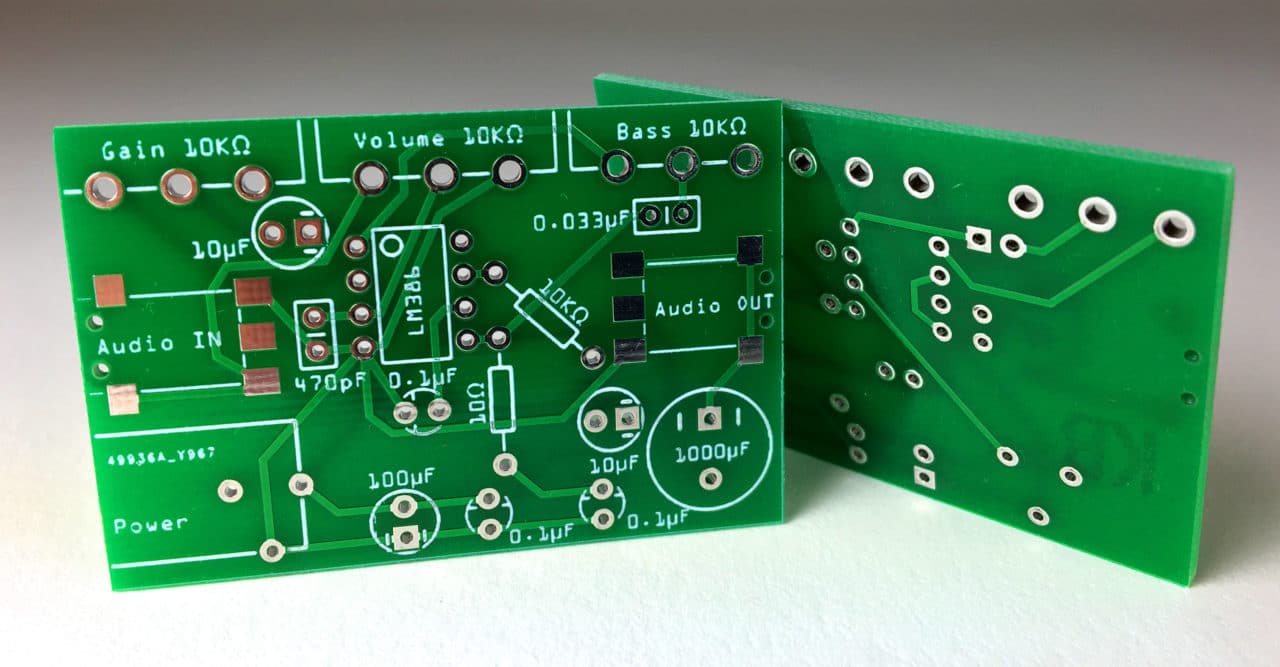
Are you skilled in electronics and passionate about building intricate hardware? We're expanding our team and are looking for talented PCB Designers and PCB Welders to work on embedding electronic components and building sophisticated circuit boards.
You'll play a crucial role in bringing our innovative electronic products to life, from initial design concepts to final assembly.
Eligibility:
- HGA Level 7 Certificate
- Minimum of 1 year of completed service in our company's DeFi department
- This internal job posting is exclusively for freshers transitioning into our tech department.


